
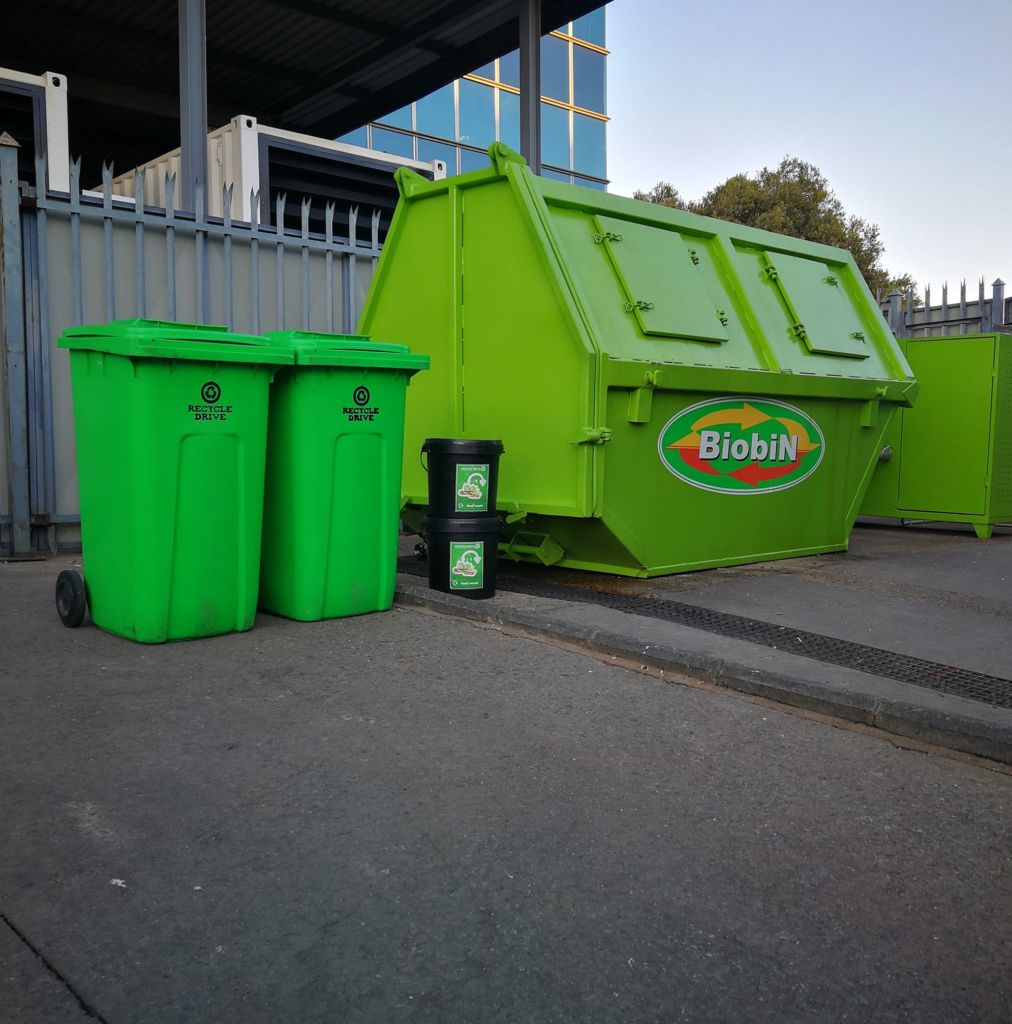
As South African businesses increasingly focus on sustainability, diverting and repurposing organic waste is fast becoming a non-negotiable. Diverting organic waste from landfills not only reduces environmental impact but also offers significant operational benefits. This guide provides a pre-self-assessment to help businesses determine the most suitable on-site composting solution, navigate local regulations, and understand why in-vessel composting is often the preferred choice.
Your Composting Pre-Self-Assessment:
Before implementing a composting solution, consider these key questions:
- What type and volume of organic waste do you generate? This will influence the size and type of composting unit needed.
- Where will the composting unit be located? Consider available space, proximity to waste generation points, and accessibility for maintenance.
- How will the composting process be managed? Determine who will be responsible for loading, monitoring, and maintaining the unit.
- What are your goals for the finished compost? Will it be used on-site for landscaping, donated to community gardens, or collected for off-site processing?
South African Waste Regulations for Composting
In South Africa, commercial composting activities are regulated by the Norms and Standards for Organic Waste Composting. These aim to encourage the composting sector by simplifying compliance. Businesses managing less than 10 tonnes of organic waste per day are typically required to register with provincial authorities rather than needing a full waste management license. For larger operations (over 10 tonnes/day), site visits and an environmental management program are necessary.
Why is in-vessel composting preferred
While various composting methods exist, in-vessel composting, particularly with systems like BiobiN, offers distinct advantages for businesses:
- Efficiency and control: In-vessel units provide a contained, controlled environment, allowing for precise management of temperature, moisture, and aeration. This accelerates the decomposition process, yielding high-quality compost in a shorter timeframe.
- Odour and pest control: Being sealed systems, in-vessel composters significantly minimise odours and prevent access for pests and rodents, making them ideal for urban or commercial settings.
- Reduced landfill dependency and costs: BiobiN systems divert food and organic waste from landfills, reducing your business’s contribution to greenhouse gas emissions and potentially lowering waste collection costs and frequency.
- Versatility: BiobiN has multiple unit sizes based on various organic waste requirements – including 1m3 mini mobile BiobiN for businesses that are limited with space.
- High-quality output: The controlled conditions in a BiobiN unit ensure the production of nutrient-rich, safe compost that can be used for various agricultural and landscaping applications.
Beyond compliance, embracing on-site organic waste management is a powerful statement about your business’s commitment to a healthier planet. With South African regulations now simplifying the path for businesses to adopt composting, there’s never been a better time to turn your waste into a valuable resource. With stringent organic waste landfill regulations on the horizon, now is the time to adopt an alternative organic waste treatment solution.