
The idea of an “eco-estate” immediately leads us to picture sleek solar panels, indigenous green spaces, sustainable architecture, and sophisticated water recycling systems. These often aesthetically pleasing gated communities are designed to be beacons of sustainable living, existing in harmony with the surrounding environment.
Yet, even in these green enclaves, a significant environmental responsibility often goes unaddressed, hiding in plain sight in every kitchen: food waste.
For gated communities and eco estates to really earn the “eco” title, they must look beyond its architecture and renewable energy systems. It should take responsibility for its entire waste footprint, with the most critical component being organic waste.
The reality is that sending food scraps and garden trimmings to a landfill undermines the very ethos of an eco-estate. Even though you may not observe the impact of organic waste within the gates of an eco-estate, it still presents an environmental burden at landfill. When organic matter breaks down, it releases methane, a greenhouse gas over 25 times more potent than carbon dioxide. This single act of disposal directly contributes to climate change, regardless of how many solar panels are on the roof.
So, what is the solution?
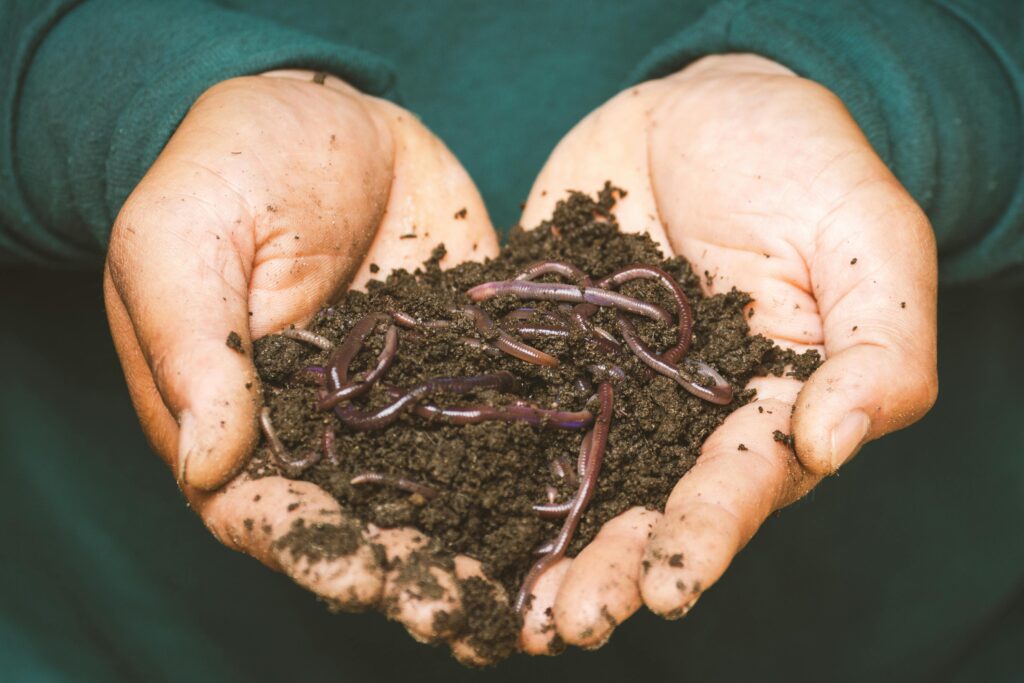
This is where on-site composting becomes an essential component of eco-estate living. With an enclosed composting unit like BiobiN, composting takes place in a highly efficient and controlled environment, eliminating the odours that occur with the breakdown of organic waste. The result also leaves the estate with a resource to maintain green landscaped areas.
BiobiN can offer a centralised organic waste disposal and processing system that can be shared with multiple households. The food scraps from residents’ kitchens, all the cuttings from lawns and gardens, can be collected and processed right in the estate. This compost is the very lifeblood of a healthy landscape. It can be used directly on the estate’s own gardens, green spaces, and parks, creating healthier soil, reducing the need for chemical fertilisers, and improving water retention. This is not a matter of simply having a “green bin” that gets trucked away; it’s about completely closing the loop on organic waste within the walls of the estate.
But the benefits don’t stop at disposal. By diverting this waste stream, the estate immediately slashes its carbon footprint. The methane emissions from landfill are reduced, and the pollution associated with transport is significantly reduced.
An eco-estate is more than just sustainable hardware; it’s a commitment to a sustainable lifestyle. By embracing on-site composting, estates can close the final loop, turning their food waste footprint into a genuine environmental asset and proving that green living is, and always should be, a circular practice.
Image credit: Sippakorn Yamkasikorn