
Agriculture has long depended on the addition of nutrients to soil to maintain efficiency. Two of the most widely used soil amendments are fertiliser and compost. While both improve crop yields, they are fundamentally different in composition, function, and impact on ecological systems. Understanding these differences is critical for farmers, policymakers, and consumers who are invested in building food systems that are not only productive but also sustainable in the long term.
Fertiliser as a nutrient input
Fertiliser is primarily designed to deliver concentrated nutrients, most often nitrogen, phosphorus, and potassium (NPK). These common nutrients are important for plant growth, and their direct application allows agricultural systems to achieve high yields. Fertiliser is produced through industrial processes or mined from geological deposits, which makes it efficient but also very resource-intensive. The manufacture and use of fertilisers are linked to fossil fuel consumption, greenhouse gas emissions, and water contamination, as nutrients are washed from fields into rivers and groundwater. While fertilisers provide an immediate supply of nutrients, they do not contribute significantly to building soil structure or supporting soil biodiversity.
Compost as a regenerative resource
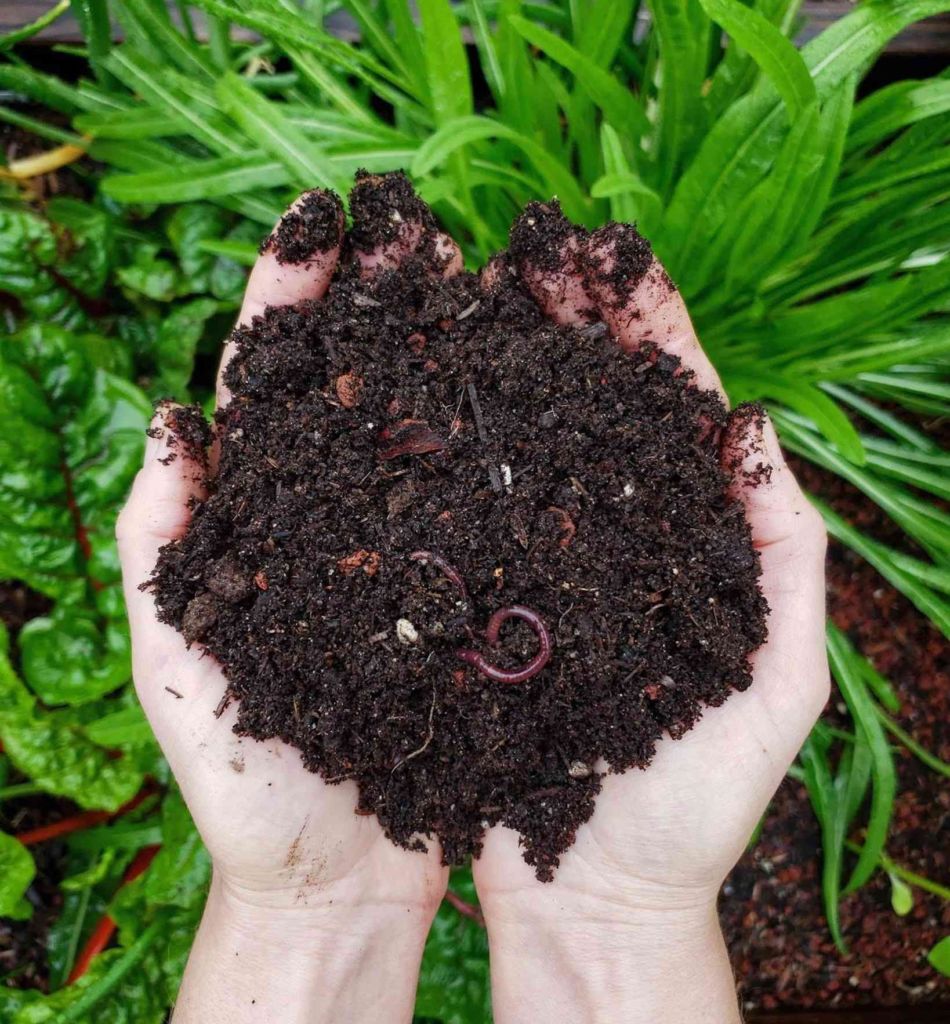
Compost is created through the controlled biological decomposition of organic waste such as food leftovers, crop residues, and garden scraps. Unlike fertiliser, which isolates and concentrates nutrients based on crop requirements, compost offers a combination of important nutrients, minerals and microbes which go back into the soil. This enriches soils not by providing a spectrum of nutrients but also by enhancing soil structure, water retention, and microbial activity. The microorganisms and organic compounds present in compost improve the soil’s ability to support long-term soil fertility, making it a regenerative resource.
Differences in function and impact
The most notable difference between fertiliser and compost lies in their relationship with soil health. Fertiliser supplies nutrients directly to plants but actually does little to address the physical, chemical, or biological properties of soil. Compost, on the other hand, works to improve multiple biological and physical factors within the soil environment, and in turn, improves the productivity of the soil body.
There are also differences in timescales. Fertiliser acts quickly and is suited for immediate crop needs, whereas compost contributes to gradual and long-term improvements. Farmers may view fertiliser as a short-term solution to nutrient deficiencies, while compost functions as an investment in soil health and productivity over time.
While fertiliser has played a central role in modern agriculture, it is limited by its narrow focus on immediate nutrient delivery and its environmental costs. Compost, by contrast, operates as a regenerative resource. It supports soil health, diverts waste from landfills, enhances carbon storage, and strengthens agricultural systems against environmental stress. By positioning compost at the heart of soil management, agriculture can move closer to food systems that are ecologically friendly.